
Mexico is such an incredibly large and diverse country and not everywhere is easily accessible from the United States. This trip I was lucky to be traveling via bus and able to stop in Oaxaca and Puebla. Both towns have their own regional dishes and specialties and of course sites to see.
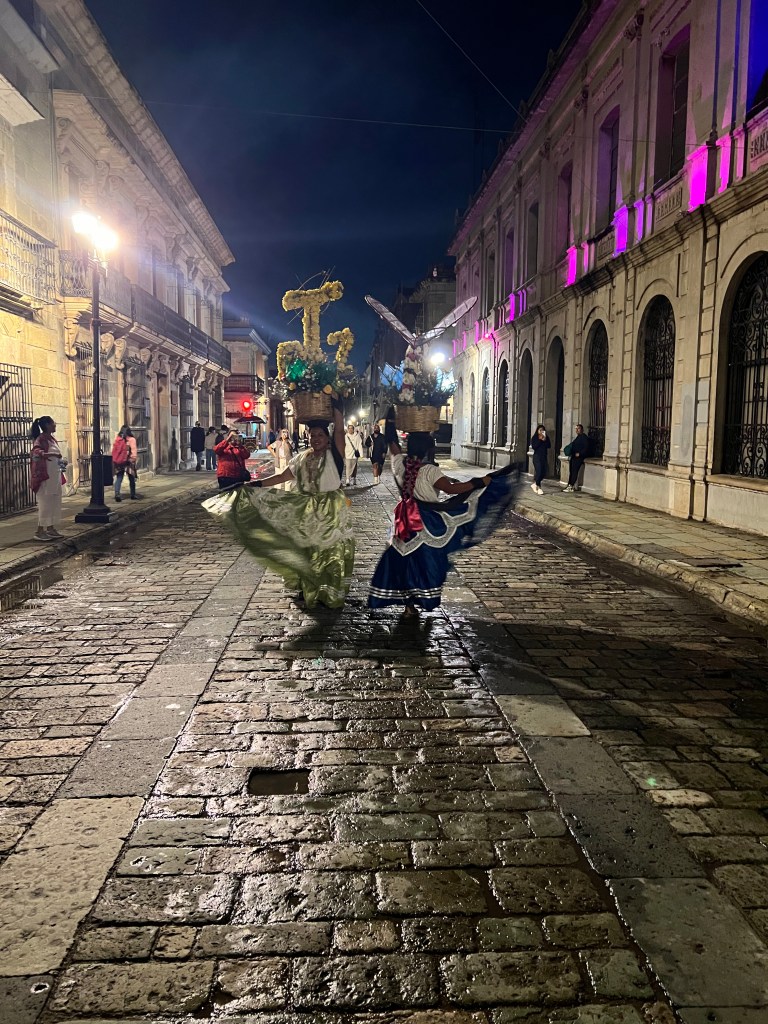
After spending four days in Oaxaca I would definitely rate it as a “foodie” city. They are most well known for their mezcal production and their seven mole sauces (rojo, coloradito, amarillo, verde, negro, chichilo, and manchamantel). There are dozens of up scale restaurants boasting their own spin on each of these and you could probably spend weeks here trying them all. That being said, this foodie reputation comes with a price tag! We opted for a mix of up scale and cheap taco stands but my food and beverage budget was admittedly higher than expected. With drinks running $10-15 USD it wasn’t that much cheaper than California prices (though the ingredients and intricacy of the cocktails were much better).
Outside of the food and drinks we also scheduled a tour to Monte Alban, the ancient Zapotec city. I personally was not well educated on the Zapotecs and incorrectly assumed that much of Mesoamerica was occupied by Aztecs and Mayans. The Zapotec however, were known for their early presence in the Valley of Oaxaca Mexico. They developed an advanced society with a social organization, religion, writing system, and language. The most famous ruins left behind stand atop Monte Alban, the name referring to the mountain filled with white flowering trees. Within the settlement there is a rich history including evidence of hierarchy, human sacrifice, hospitals and healthcare, and recreation. Here are a few tidbits I found fascinating:
- Average Zapotec lifespan was 45 years old
- They had what appeared to be a hospital where they would administer healthcare including surgery and there is evidence of brain surgery due to skulls with healed drill holes.
- Similar to other hierarchical civilizations, they often married within their own families and due to that, they saw many genetic birth defects.
- There was an 85% mortality rate for mothers giving birth (most of whom were in their teens)
- They designed a temple where sunlight shone through in a specific way to indicate the time of year and aligned to specific harvest dates.
This was an easy tour from Oaxaca and I would definitely recommend.

After Oaxaca we took the bus to Puebla, Mexico, a smaller town renowned for their food as well as handcrafted pottery. We decided to only spend one night here but were able to get a feel for the area. At the center of town is a MASSIVE cathedral. I feel this way about most castles and cathedrals but it really makes you wonder how they were able to build that in the 15/1600s. The answer definitely includes forced labor of colonized and converted indigenous people but that detail is typically left off of the historical reference plaques.
In addition to the cathedral and Spanish architecture you can view the regional pottery throughout the city adorning buildings and street corners as well as in the museum/factory of Uriarte Talavera. If you’re on the hunt for anything from kitchen backsplash tiles to ornate serving dishes this is your place.
I also adored the street called “Callejon de los Sapos” or alley of the frogs. This area got its name from the regular floods of the nearby river and subsequently the population of local frogs jumping through the street. Now however, there are no wild frogs but there are dozens of artisan shops and taverns including the hundred year old bar called La Pasita (a must visit).
Overall these two towns were a fascinating dive into an area of Mexico I was not previously familiar with. Next stop, a consistent crowd pleaser – Mexico City!
 Backpack Mack
Leave a comment